

Healthcare marketing is different because it supports people who may be making personal, emotional, or time-sensitive decisions about their health or the care of someone they love. Effective healthcare marketing must balance growth with patient trust, privacy, accessibility, accurate education, reputation, and meaningful community relationships.
Marketing a healthcare organization is not the same as marketing an everyday product or service. A prospective patient may be looking for answers after receiving a diagnosis. A parent may be searching for the right provider for their child. A caregiver may be comparing treatment options for a loved one while already feeling overwhelmed.
In those moments, people need more than a clever advertisement. They need information that feels clear, credible, respectful, and easy to access.
That is why a strong healthcare marketing strategy should be designed around the patient experience from the very beginning. Here are six factors that make healthcare marketing different.

1. Patient Trust Comes Before Promotion
Trust is the foundation of every healthcare relationship. Before someone schedules an appointment, contacts a hospital, or submits a referral, they are looking for signs that the organization is credible and capable of providing the care they need.
Every marketing touchpoint contributes to that first impression, including:
Website design and messaging
Provider photographs and biographies
Online reviews
Social media content
Educational materials
Advertising
Phone and email communication
Branding across digital and printed materials
A polished brand can help an organization appear professional, but trust requires more than visual consistency. Patients also need accurate information, clear expectations, authentic photographs, understandable language, and an easy way to take the next step.
Healthcare marketing should never rely on fear, exaggerated promises, or vague claims. Messages such as “the best care” or “guaranteed results” may sound promotional, but they do not necessarily help patients make an informed decision. Specific information about services, providers, locations, experience, and the approach to care is usually more meaningful.
Your website plays a particularly important role in building that confidence. Our guide to the 10 healthcare website must-haves explains how clear navigation, provider information, service pages, and trust signals can improve the patient experience.
2. Privacy Must Shape Marketing Decisions
Healthcare organizations often work with information that is deeply personal. Privacy cannot be treated as a final approval step after a campaign has already been created. It needs to shape the strategy, tools, content, and workflow from the beginning.
Areas that may require additional review include:
Patient stories and testimonials
Photographs and videos
Appointment and contact forms
Email marketing lists
Advertising and analytics tools
Social media messages and comments
Third-party scheduling or communication platforms
The HIPAA Privacy Rule applies to covered entities and establishes standards for protecting individually identifiable health information. HHS explains that covered entities generally need authorization to use or disclose protected health information for marketing, subject to specific exceptions.
Not every healthcare organization, communication, or marketing activity is treated the same way. That is why marketing teams should work with the organization’s privacy, compliance, legal, and technology professionals when personal or health-related information may be involved.
In practice, a privacy-conscious marketing process may include:
Obtaining the appropriate written authorization before sharing an identifiable patient story, image, or testimonial
Avoiding unnecessary health details in public review responses or social media conversations
Limiting general website forms to the information truly needed
Reviewing marketing platforms before connecting them to patient-facing systems
Creating a clear internal approval process for sensitive content
Privacy is not simply a compliance requirement. It is also part of the trust patients place in a healthcare organization.
3. Accessibility Is Part of the Patient Experience
Healthcare information should be accessible to people with different visual, auditory, physical, cognitive, and language needs. This applies to websites, videos, social media graphics, digital advertisements, PDFs, forms, and printed materials.
The Web Content Accessibility Guidelines (WCAG) 2.2 provide recommendations for making digital content more accessible to people with disabilities.
Practical accessibility considerations include:
Readable font sizes
Strong color contrast
Descriptive alternative text for meaningful images
Proper heading order
Keyboard-friendly website navigation
Clearly labeled forms and buttons
Captions for videos
Transcripts for important audio content
Plain, understandable language
Mobile-friendly layouts and tap targets
Accessibility does not mean healthcare marketing has to feel plain or clinical. Thoughtful design can still feel warm, distinctive, and creative while making information easier for more people to use.
This is especially important for organizations serving older adults, people recovering from an illness or injury, families navigating care, and patients accessing information from a mobile device. Our healthcare website design services are built around clarity, accessibility, trust, and the needs of the people using the website.
4. Reputation Is Built Across Every Touchpoint
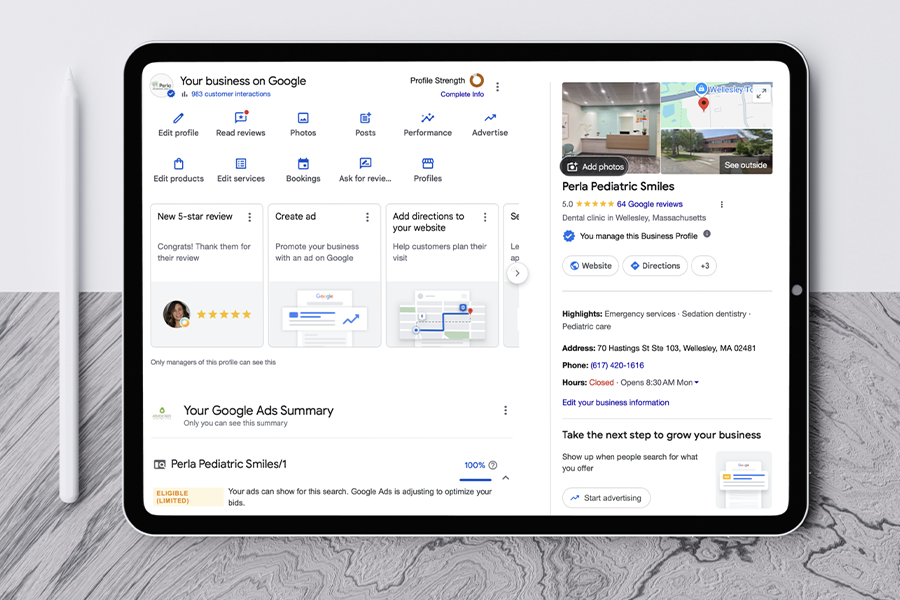
A healthcare organization’s reputation is shaped by more than its star rating. Patients may consider reviews, provider credentials, website quality, social media activity, community presence, office communication, and the consistency of information across platforms.
Reviews can be valuable because they offer insight into the patient experience. However, healthcare organizations need a thoughtful process for requesting, monitoring, and responding to them.
Good reputation management includes:
Encouraging honest feedback without pressuring patients
Never purchasing, fabricating, or manipulating reviews
Responding professionally and without confirming private patient information
Taking detailed concerns into a private, appropriate communication channel
Watching for patterns that may reveal an operational issue
Keeping provider, location, and service information accurate across platforms
The Federal Trade Commission’s guidance on reviews and testimonials emphasizes honest practices and warns against deceptive or manipulated reviews.
When responding publicly, it is often best to remain general. Thank the reviewer for the feedback, communicate the organization’s commitment to the patient experience, and provide an appropriate way to continue the conversation privately. The response should follow the organization’s approved privacy and reputation policies.
Reputation is not built through one campaign. It grows through consistent experiences and the way an organization communicates when things go well and when concerns arise.
5. Patient Education Must Be Clear and Accurate
Healthcare marketing often has an educational role. Before someone contacts a provider, they may want to understand a condition, treatment, procedure, insurance process, admission requirement, or what to expect during an appointment.
Good patient education should help people feel informed without overwhelming them. The CDC’s plain-language guidance explains that plain language makes health information easier for people to understand and use.
Clear healthcare content may include:
Service and treatment pages
Frequently asked questions
Provider-led videos
Blog articles
Patient guides
Social media carousels
Brochures and referral materials
Instructions for new patients
Avoid unnecessary jargon, or explain it when a medical term is important. Break complicated information into shorter sections, use descriptive headings, and make the next step clear.
Accuracy matters just as much as readability. Clinical content should be reviewed by an appropriate healthcare professional, especially when it discusses diagnoses, treatments, risks, expected outcomes, or eligibility for care. Dates and review processes can also help organizations keep important information current.
Clear, expert-reviewed educational content supports patients while helping traditional search engines and AI-powered search tools better understand an organization’s services and expertise.
6. Community Relationships Support Long-Term Growth
Healthcare organizations rarely operate in isolation. They are part of a larger network that may include patients, caregivers, physicians, discharge planners, schools, nonprofits, support groups, community leaders, and referral partners.
Strong healthcare marketing helps nurture those relationships, not just promote services.
Community-focused marketing may include:
Educational seminars and health events
Support groups
Referral outreach
Partnerships with local organizations
School or workplace programs
Community sponsorships
Provider introductions
Local search content
Resources for caregivers
Stories that highlight staff and community involvement
These efforts help people understand what the organization offers before a need becomes urgent. They can also strengthen referrals and create familiarity with the organization over time.
The most effective community marketing is not purely transactional. It provides something useful, shows up consistently, and reflects the organization’s real role in the community. You can see examples of how we bring healthcare stories and strategies to life in our portfolio.
Healthcare Marketing Requires a Thoughtful Balance
Strong healthcare marketing is clear, compassionate, accurate, accessible, and connected to the patient experience. It can support organizational growth, but it should also help people understand their options and feel more confident taking the next step.
Success should not be measured by likes or website traffic alone. Depending on the organization’s goals, meaningful results may include qualified appointment requests, patient calls, admissions inquiries, physician referrals, event participation, improved search visibility, or stronger engagement with educational resources.
At Advocado Marketing Group, we help medical practices, hospitals, dental offices, specialty providers, and healthcare organizations develop marketing that balances creativity with clarity and strategy with empathy. We bring a fresh perspective to each project while respecting the trust healthcare organizations work hard to build.
Ready to strengthen your healthcare marketing? Contact Advocado Marketing Group to tell us about your organization and goals.
Frequently Asked Questions About Healthcare Marketing
-
Healthcare marketing is the strategy used by medical practices, hospitals, dental offices, specialty providers, and other healthcare organizations to communicate their services, educate audiences, build trust, strengthen referrals, and connect people with appropriate care.
-
Healthcare decisions can be personal, emotional, and time-sensitive. Marketing must balance organizational goals with patient trust, privacy, accessibility, accurate education, reputation, and the expectations of healthcare professionals and community partners.
-
A healthcare marketing strategy may include branding, website design, patient education, search engine optimization, digital advertising, social media, reputation management, referral outreach, and community engagement. The right mix depends on the organization, audience, services, location, and goals.
-
Patient testimonials may be used in certain circumstances, but privacy and authorization requirements must be considered carefully. Covered entities generally need appropriate authorization before using or disclosing protected health information for marketing, subject to specific exceptions. Organizations should have their compliance or legal professionals review their process.
-
Accessible marketing helps more people find, understand, and use important healthcare information. It can improve the experience for people with disabilities, older adults, mobile users, caregivers, and anyone who benefits from clearer content and navigation.
-
There is no single best channel for every organization. A strong foundation often includes a clear website, local search visibility, accurate provider and service information, helpful educational content, reputation management, and consistent communication with patients and referral partners.
Written by Advocado Marketing Group, a Long Island marketing agency helping healthcare organizations build thoughtful brands, accessible websites, and digital strategies.
